Badrinath Dham: How To Reach Badrinath Temple, History And Weather
Piyush Kumar April 15, 2026 0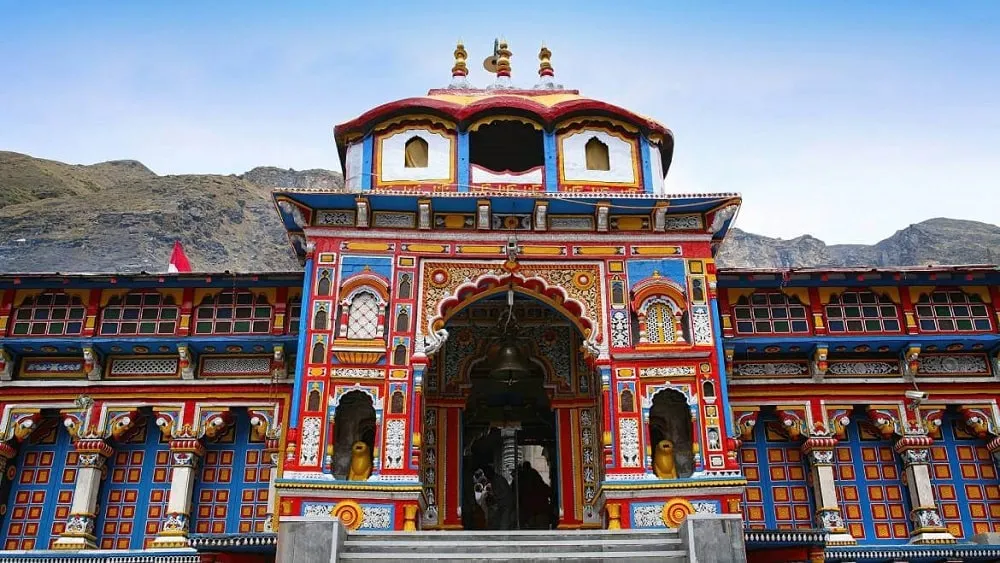
Table of Contents
ToggleBadrinath Dham
Badrinath Temple, also known as Badrinarayana Temple, is a revered Hindu shrine dedicated to Lord Vishnu. Located in the town of Badrinath in Uttarakhand, it is one of the sacred Divya Desams associated with Vishnu, the preserver in Hindu belief. Due to the region’s harsh weather conditions, the temple remains open to devotees for only six months each year, typically from late April to early November.
Badrinath temple history
The exact historical origins of the Badrinath Temple are not clearly documented, but its significance is mentioned in ancient Hindu scriptures, including the Vedas. It is believed that the shrine has been a place of worship since Vedic times.
According to some traditions, during the reign of Emperor Ashoka, the temple was converted into a Buddhist shrine and remained so for several centuries. Later, the great philosopher and saint Adi Shankaracharya rediscovered and revived the shrine, re-establishing it as a Hindu temple dedicated to Lord Vishnu.
Over time, the temple has undergone multiple reconstructions due to natural damage, including avalanches and harsh weather conditions. In the 17th century, the rulers of the Garhwal region expanded and maintained the temple. After suffering severe damage in a major earthquake, it was rebuilt with support from the king of Jaipur.
Renovation work continued into the 19th century and was largely completed around the time of World War I. In recent times, in 2006, the government declared the area around Badrinath a no-construction zone to prevent illegal encroachment and preserve the sanctity of the site.
Badrinath temple, which god
Badrinath Temple is a Hindu temple dedicated to Lord Vishnu, who is worshipped here in the form of Badrinarayana.
Where is Badrinath temple located ?
Badrinath Temple is located in the Garhwal Himalayas, in the Chamoli district of Uttarakhand. It sits along the banks of the Alaknanda River, surrounded by scenic mountain ranges.
Distance from Kedarnath to Badrinath
The distance from Kedarnath to Badrinath temple is two hundred eighteen kilometres (218 km).
Badrinath weather
The Badrinath temple is closed during winter due to heavy snowfall. The temperature at that time reached -18C, which is dangerous for new visitors who could not withstand the temperature.
Travel Seasons | Min/Max Temperature | Weather |
October to April | 6-25°C | Winter – Snowy |
April to June | 19-29°C | Summer – Sunny and Warm |
July to September | 20-27 °C | Monsoon – Moderate to Heavy Rainfall
|
Hotels in Badrinath
Here are some hotels in Badrinath Temple where you can stay:
- Hotel Mangalam
- Hotel Kuber
- Amritara The Avadh
- Meraki Resort
- Siddhu Guest House
These accommodations range from budget guest houses to more comfortable hotels, offering basic facilities for pilgrims and travelers visiting Badrinath.
Inside Badrinath temple
The interior of the temple features a spacious mandap (hall) supported by large, intricately designed pillars. These pillared halls lead devotees toward the main sanctum. The walls and pillars are adorned with detailed carvings and traditional artwork, adding to the spiritual and architectural beauty of the temple.
At the heart of the temple lies the main shrine, which houses the idol of Lord Vishnu in the form of Badrinarayana. The idol is about one foot in height, made of black stone, and is placed under a golden canopy. It is traditionally believed to be situated beneath a sacred Badri tree, giving the temple its name and significance.
Badrinath valley of flowers
The Valley of Flowers is a paradise for nature lovers, known for its breathtaking landscapes and vibrant blooms. This UNESCO World Heritage Site is not open throughout the year; the best time to visit is from July to mid-August, when the valley is in full bloom.
Visitors can enjoy a variety of activities here, such as:
- Trekking through scenic trails
- Bird watching amidst rich biodiversity
- Exploring nearby villages and local culture
- Witnessing a wide variety of colorful alpine flowers
Surrounded by majestic mountains and lush greenery, the Valley of Flowers offers a truly unforgettable experience for travelers and adventure enthusiasts.
Badrinath and Buddhadeb (badrinath buddha dev).
According to legend, Lord Vishnu came to this sacred place for meditation. Unaware of the region’s extreme cold, he was protected by Goddess Lakshmi, who took the form of a Badri tree (berry tree) to shelter him. Pleased by her devotion, Vishnu named the place Badrika Ashram, which later became known as Badrinath.
Historically, it is believed that during the reign of Emperor Ashoka, the shrine was converted into a Buddhist center and remained so for several centuries. In the 8th century, the philosopher and saint Adi Shankaracharya rediscovered the site and re-established it as a Hindu temple dedicated to Lord Vishnu.
Today, Badrinath Temple stands as an important spiritual destination, reflecting both its ancient Hindu roots and its historical connection to Buddhism.
Badrinath omkareshwari
Omkareshwari is a Sanskrit name associated with Goddess Parvati, also known as Gauri. The term signifies the divine feminine energy and is often linked with purity, strength, and devotion.
In the spiritual context of Badrinath Temple, Omkareshwari represents the presence of Goddess Parvati, complementing the worship of Lord Vishnu and reflecting the harmony of divine energies in Hindu tradition.
Badrinath shivling
According to a popular legend associated with Badrinath Temple, Lord Shiva and Goddess Parvati once went out for a walk. When they returned, they found a mysterious baby lying near their home.
Seeing the child, Goddess Parvati’s heart melted with compassion. Although Lord Shiva sensed something unusual and warned her not to pick up the baby, Parvati could not ignore the helpless child. She took the baby in, cared for him, and then went to bathe along with Lord Shiva.
When they returned, they found their home locked and inaccessible. Lord Shiva then revealed that he had anticipated this outcome but did not stop Parvati, as he knew her maternal compassion would not allow her to abandon the child.
It is believed that the baby was actually Lord Vishnu in disguise. By this divine act, Lord Vishnu claimed the place for his meditation, which later became Badrinath. Following this, Lord Shiva and Goddess Parvati moved to Kedarnath, establishing the connection between Kedarnath Temple and Badrinath in Hindu tradition.
Live darshan Badrinath
Devotees can watch the live darshan and पूजा of the temple online through the official website: https://badrinath-kedarnath.gov.in. This allows people to experience the divine atmosphere of the shrine from the comfort of their homes.
The facility is especially helpful for senior citizens and physically challenged devotees who may find it difficult to travel to Badrinath but still wish to seek blessings of Lord Vishnu.
Badrinath temple aarti
The daily पूजा and आरती at the temple follow a fixed schedule:
- Morning Pooja: 4:30 AM to 6:30 AM
- Daytime Darshan & Rituals: 6:30 AM to 12:00 Noon
- Afternoon/Evening Session: 3:00 PM onwards
Devotees can attend these rituals in person during the temple’s open season or watch them through live darshan facilities.
Temperature at Badrinath
The temperature of Badrinath, as discussed above, fluctuates exceptionally. We will give you a summarized version of it.
Travel Seasons | Min/Max Temperature | Weather |
October to April | 6-25°C | Winter – Snowy |
April to June | 19-29°C | Summer – Sunny and Warm |
July to September | 20-27 °C | Monsoon – Moderate to Heavy Rainfall
|
What to see in Badrinath Dham?
There are many beautiful and spiritual places to explore around Badrinath Dham. Here are some प्रमुख दर्शनीय स्थल:
- Yogdhyan Badri Temple – One of the Panch Badri temples, known for its शांत और ध्यानमय वातावरण.
- Charan Paduka – A sacred rock believed to bear the footprints of Lord Vishnu. It also offers शानदार mountain views.
- Mana Village – Known as the last Indian village near the Indo-Tibetan border, famous for its culture and scenic beauty.
- Tapt Kund – A natural hot water spring where devotees take a holy dip before visiting the temple.
- Neelkanth Peak – A majestic snow-covered peak often called the “Queen of Garhwal,” visible from Badrinath.
These places add to the spiritual and natural charm of Badrinath, making the यात्रा even more memorable.
How to reach Badrinath Dham?
There are three ways to reach Badrinath Dham
- By Bus
- By Air
- By Train
By AIR- Jolly Grant International Airport, at Dehradun, is the nearest airport to Badrinath.
By road- Many people follow this route.
From Haridwar to Rishikesh to Devprayag to Srinagar to Rudraprayag to Gauchar to Nandprayag to Gopeshwar to Pipalkoti to Joshimath to Hanuman Chatti and finally Badrinath.
By train- The nearest railway station is Rishikesh, which is at a distance of 295km away from Badrinath.
Best time to visit Badrinath Temple
The best time to visit Badrinath Temple is:
- May to June (Summer Season):
This is the most popular time, with pleasant weather and clear routes, making it ideal for दर्शन and यात्रा. - September to October (Post-Monsoon):
The weather remains cool and comfortable, and the surrounding scenery becomes even more beautiful after the rains.
The temple remains closed during winter (November to April) due to heavy snowfall and extreme weather conditions in the region.
Badrinath Food Guide
There are several small restaurants and eateries near Badrinath that serve simple, स्वादिष्ट and mostly vegetarian food for pilgrims and travelers. Here are a few options:
- Sitting Elephant – Around 1.6 km from the temple
- Jal Jalebi & Beyond – Around 1.6 km away
- Dosa Plaza – About 0.9 km away
- The Prominent Fiddler – Around 1.8 km from the temple
Must-Try Dishes 🍽️
While visiting Badrinath, you should try some popular North Indian and local dishes:
- Makki di Roti with Sarson da Saag
- Chole Bhature
- North Indian Thali
Most eateries here offer pure vegetarian meals in keeping with the religious significance of the place. Simple food, fresh ingredients, and a peaceful mountain setting make the dining experience special.
Conclusion
To sum up, Badrinath Temple is not just a sacred pilgrimage site but also a place of breathtaking natural beauty. Surrounded by majestic mountains and serene landscapes, it offers a peaceful and spiritual experience to every visitor.
From exploring nearby attractions to enjoying simple yet delicious local cuisine and witnessing the charm of snowfall, Badrinath creates unforgettable memories. The divine atmosphere and tranquil surroundings leave a lasting impression on the hearts of devotees and travelers alike.
Visiting this holy destination at least once in a lifetime is truly a meaningful and enriching experience.
Frequently asked questions
Q: What is the distance from Rishikesh to Badrinath?
Ans: The distance is 315.6km
Q: What is the distance from Delhi to Badrinath ?
Ans: The distance is 557.8km
Q: What is the distance from Rishikesh to Badrinath?
Ans- The distance is 291.8km
Q: What is the distance between Joshimath and Badrinath distance?
Ans- the distance is 44.9km.
Q: What is Kedarnath to Badrinath distance by road?
Ans- The distance is 218km
Q: Which is the nearest railway station to Badrinath?
Ans – Rishikesh railway station is the nearest railway station to Badrinath.
Q: Which station is Badrinath’s nearest railway station?
Ans- Rishikesh railway station is the nearest railway station to Badrinath.
Q: What is Badrinath to Gangotri distance?
Ans- the distance is 420.9km.
Q: What is the Rudraprayag to Badrinath distance?
Ans-The distance is 154.5km
Q: What is the Gupta Kashi to Badrinath distance ?
Ans- The distance is 197.6km
Q: What is Kedarnath “Se Badrinath ki Duri”?
Ans- The distance is 248km by road
Q: What is Badrinath’s best time to visit?
Ans-The best time to visit is between May to June and September to October.
Q: Dehradun to Badrinath by helicopter
Ans- A person can board a helicopter, but if the person weighs more than 75kg, an extra amount needs to be paid.
Q: Delhi to Badrinath by train
Ans- The nearest station would be Rishikesh, and it is 292km away from Badrinath.
Q: What’s the distance between Badrinath and Yamunotri?
Ans-The distance is 103km
Q: What is the taxi fare from Haridwar to Badrinath?
Ans- The taxi fare is at an average of Rs4400.
Q: What is Badrinath’s nearest airport ?
Ans- Jolly grant airport is the nearest to Badrinath.
Q: What is the taxi fare from Haridwar to Badrinath?
Ans- The taxi fare is at an average of Rs4400
Q: What is the height of the Badrinath temple?
Ans-The height of the temple is approximately 50 feet.